Dans les industries de la transformation du bois, de la production de litière pour animaux et de l’énergie à base de biomasse, l’équipement de rabotage du bois est devenu un équipement indispensable.
Cependant, les équipements varient considérablement selon les modèles et configurations ; si le mauvais modèle est choisi, cela peut compromettre l’efficacité de la production ou même augmenter les coûts. Par conséquent, plusieurs facteurs clés doivent être soigneusement considérés avant d’acheter une machine à raboter le bois.
Types et dimensions des matières premières
Différents types de machines à raboter le bois conviennent à différentes matières premières — telles que les troncs, les branches et le bois de rebut. Si le bois a un diamètre élevé ou une forte teneur en humidité, il est nécessaire de choisir un modèle avec une puissance plus élevée et des capacités d’alimentation renforcées.
Avant d’acheter un équipement de rabotage du bois, vous devez clairement identifier les types spécifiques de bois que vous prévoyez de traiter pour éviter les problèmes liés à l’incompatibilité entre l’équipement et la matière première.
Exigences de production
La capacité de production d’un raboteur à bois varie généralement de plusieurs centaines de kilogrammes par heure à plusieurs tonnes par heure.
Pour les petites exploitations d’élevage, un équipement de rabotage du bois de petite à moyenne taille est un choix approprié ; cependant, les producteurs de litière à grande échelle ou les usines de transformation du bois nécessitent des modèles industriels à haute capacité.
Selection recommendations:
- Applications à petite échelle : 300–800 kg/h
- Installations de taille moyenne : 1–3 t/h
- Lignes de production industrielles : 3 t/h et plus
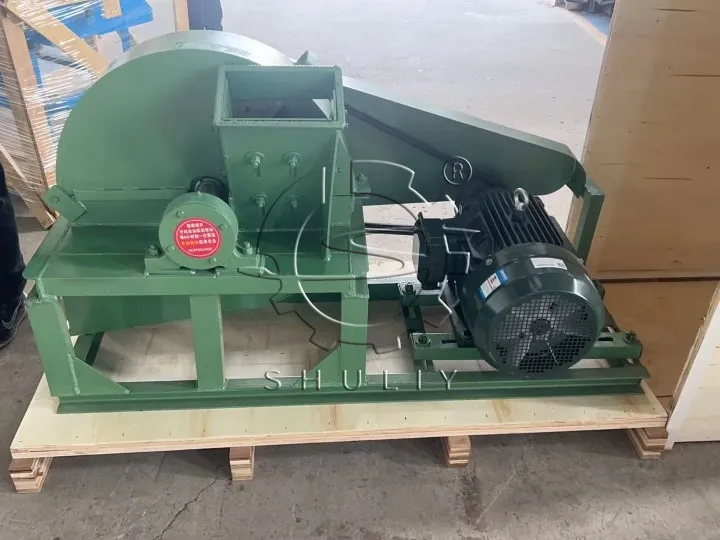
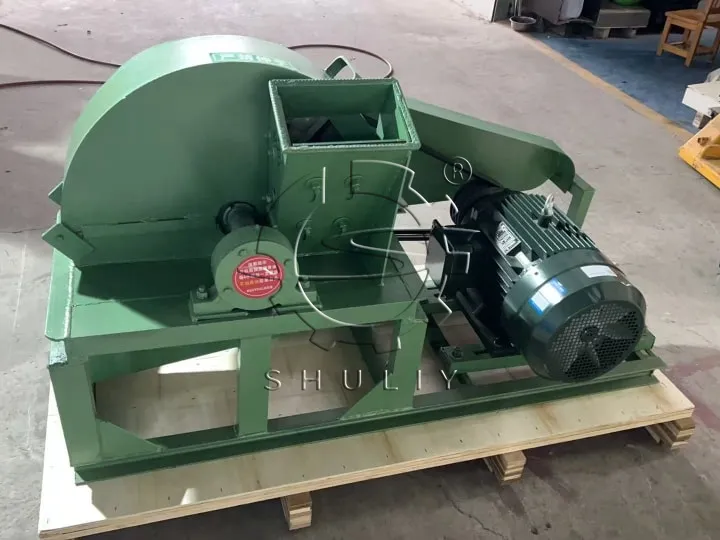
Exigences de qualité de rabotage
Différentes applications imposent des exigences variées concernant l’épaisseur, la longueur et l’uniformité des rabots de bois. Par exemple :
- Litière pour animaux : Nécessite douceur et uniformité.
- Remplissage de l’emballage : Nécessite propreté et absence de poussière.
- Carburant à base de biomasse : Permet un matériau légèrement plus grossier mais nécessite des dimensions cohérentes.
- Les rabots de haute qualité nécessitent généralement un système de lames plus précis et un contrôle de la vitesse de rotation stable.
Structure et durabilité de l’équipement
L’équipement de rabotage du bois fonctionne dans des conditions intensives ; par conséquent, la qualité structurelle de l’équipement influence directement sa durée de vie. Les points clés incluent :
- Matériau de la lame
- Si la structure du cadre a été renforcée
- La marque des roulements et du moteur
Plus la structure est stable, plus les coûts de maintenance à long terme sont faibles.
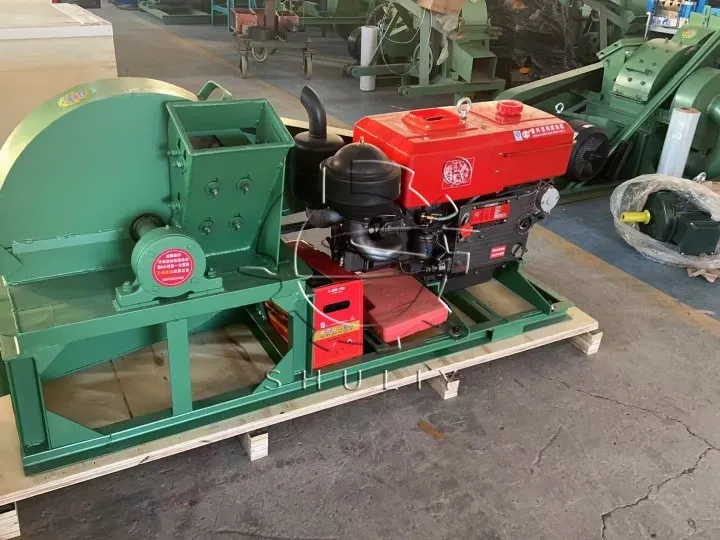
Service après-vente et capacités de personnalisation
Pour les équipements exportés ou la machinerie industrielle, le support après-vente est crucial. Les fournisseurs de haute qualité d’équipements de rabotage du bois offrent généralement :
- Approvisionnement à long terme en pièces d’usure (lames, courroies)
- Guides d’installation et d’utilisation
- Personnalisation de la tension et des méthodes d’alimentation
- Support technique à distance
Un excellent service après-vente peut réduire considérablement le risque de panne.
Conclusion
Selecting the appropriate machine à raser le bois is not only crucial for production efficiency but also directly impacts long-term operating costs.
Avant d’acheter, il est essentiel de considérer de manière exhaustive des facteurs tels que le type de matière première, les exigences en capacité de production, la qualité de rabotage, la structure de l’équipement et le service après-vente pour s’assurer de choisir l’équipement de rabotage du bois qui convient le mieux à vos besoins.