Nas indústrias de processamento de madeira, produção de cama para animais e energia de biomassa, o equipamento de aparar madeira tornou-se um equipamento indispensável.
No entanto, os equipamentos variam significativamente entre diferentes modelos e configurações; se for selecionado um modelo incorreto, pode comprometer a eficiência da produção ou até aumentar os custos. Portanto, antes de adquirir uma máquina de aparar madeira, vários fatores-chave devem ser cuidadosamente considerados.
Tipos e dimensões de matéria-prima
Diferentes tipos de máquinas de aparar madeira são adequados para diferentes matérias-primas — como troncos, ramos e madeira de desperdício. Se a madeira tiver um diâmetro grande ou um elevado teor de humidade, é necessário selecionar um modelo com maior potência e capacidades de alimentação mais robustas.
Antes de adquirir equipamento de aparar madeira, deve identificar claramente os tipos específicos de madeira que planeja processar para evitar problemas relacionados com incompatibilidade entre equipamento e matéria-prima.
Requisitos de produção
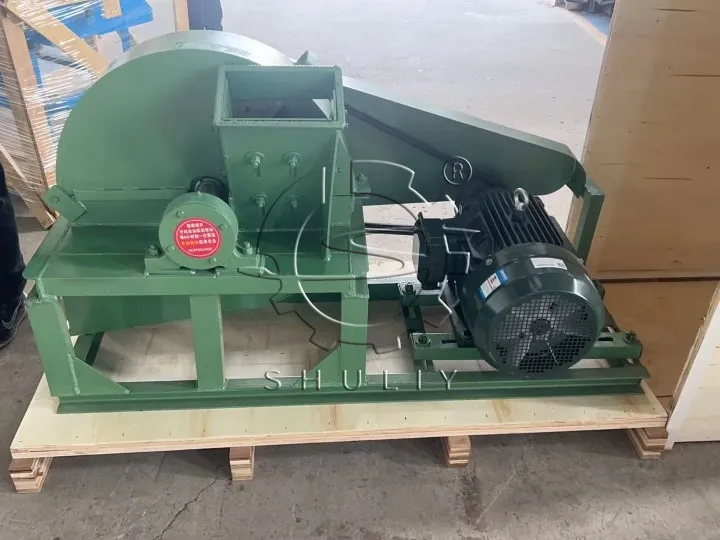
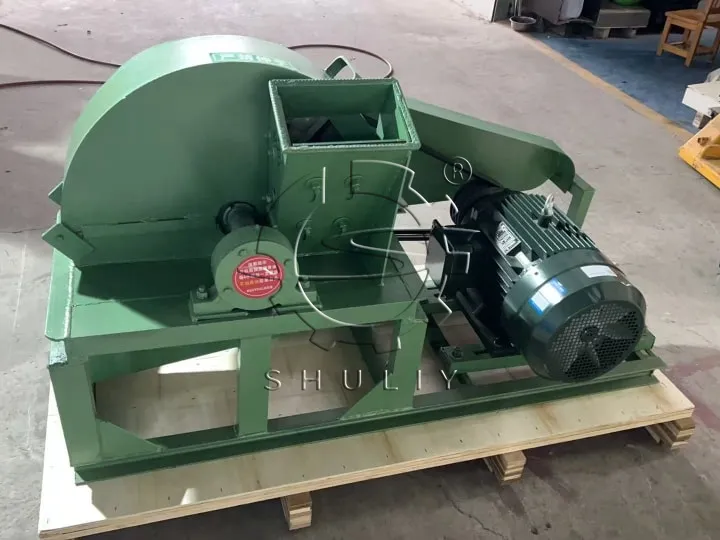
A capacidade de produção de uma máquina de aparar madeira normalmente varia de alguns centenas de quilos por hora a várias toneladas por hora.
Para pequenas explorações pecuárias, equipamentos de aparar madeira de pequeno a médio porte são uma escolha adequada; no entanto, produtores de cama de grande escala ou fábricas de processamento de madeira requerem modelos industriais de alta capacidade.
Selection recommendations:
- Aplicações de pequena escala: 300–800 kg/h
- Instalações de médio porte: 1–3 t/h
- Linhas de produção industriais: 3 t/h ou mais
Requisitos de qualidade do aparo
Diferentes aplicações impõem requisitos variados quanto à espessura, comprimento e uniformidade das aparas de madeira. Por exemplo:
- Cama de animais: Requer suavidade e uniformidade.
- Preenchimento da embalagem: Requer limpeza e ausência de poeira.
- Combustível de biomassa: Permite materiais ligeiramente mais grossos, mas requer dimensões consistentes.
- Aparas de alta qualidade geralmente requerem um sistema de lâminas mais preciso e um controlo de velocidade de rotação estável.
Estrutura do equipamento e durabilidade
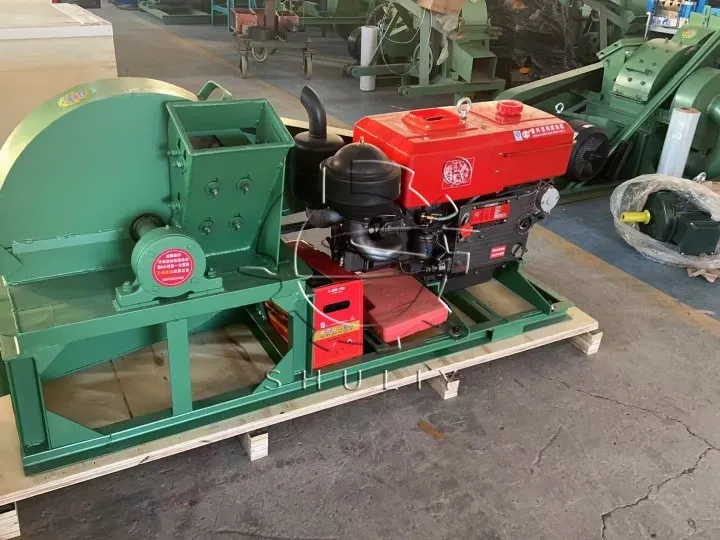
O equipamento de aparar madeira opera sob condições de uso intensivo; consequentemente, a qualidade estrutural do equipamento impacta diretamente a sua vida útil. Áreas-chave de foco incluem:
- Material da lâmina
- Se a estrutura do quadro foi reforçada
- Marca dos rolamentos e do motor
Quanto mais estável for a estrutura, menores serão os custos de manutenção a longo prazo.
Serviço pós-venda e capacidades de personalização
Para equipamentos exportados ou maquinaria industrial, o suporte pós-venda é crucial. Fornecedores de alta qualidade de equipamento de aparar madeira geralmente oferecem:
- Fornecimento a longo prazo de peças de desgaste (lâminas, correias)
- Orientação para instalação e operação
- Personalização de voltagem e métodos de alimentação
- Suporte técnico remoto
Um excelente serviço pós-venda pode reduzir significativamente o risco de paragens.
Conclusão
Selecting the appropriate máquina de barbear madeira is not only crucial for production efficiency but also directly impacts long-term operating costs.
Antes de fazer uma compra, é essencial considerar de forma abrangente fatores como o tipo de matéria-prima, requisitos de capacidade de produção, qualidade do aparo, estrutura do equipamento e serviço pós-venda para garantir que selecione o equipamento de aparar madeira que realmente melhor se adapta às suas necessidades.