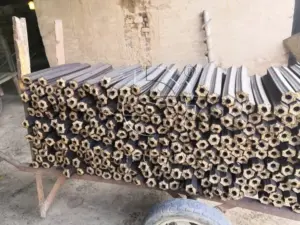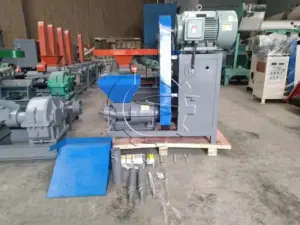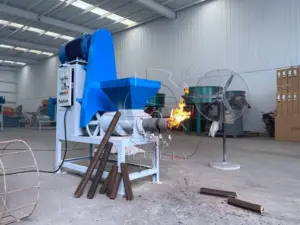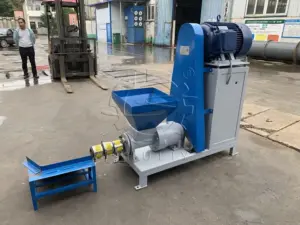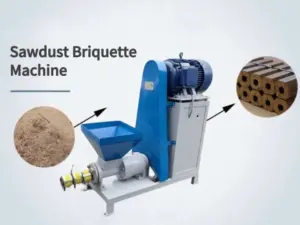
A pini-kay briquette machine is used to compress properly prepared biomass materials into dense briquettes. Before purchasing or operating the machine, customers often have questions about raw materials, moisture requirements, production capacity, finished briquette quality, and production line configuration. This FAQ answers some of the most common questions about sawdust briquette production.
What raw materials can be used in a sawdust briquette machine?
The pini-kay briquette machine is mainly used for wood-based biomass materials, including sawdust, wood powder, and wood shavings after crushing.
Other biomass materials may also be used after being crushed and prepared to meet the machine’s feeding requirements. The suitability of a material depends on its particle size, moisture content, and composition.
Does sawdust need to be dried before briquette making?
Material with excessive moisture may not form dense and stable briquettes, while overly dry material can also affect the forming process. A sawdust dryer is often included in a complete production line when the raw material moisture is too high.
What determines the output of a pini-kay briquette machine?
The actual output of a biomass briquette making machine is affected by several factors, including:
- Machine model
- Motorleistung
- Raw material type
- Material moisture content
- Particle size
- Finished briquette size
Therefore, the actual production capacity may vary when processing different raw materials.
Can sawdust briquettes be directly used for charcoal production?
Yes. Sawdust briquettes produced by a pini-kay briquette machine can be used as raw materials for producing machine-made charcoal.
After briquetting, the formed biomass briquettes are processed through a carbonization stage. The briquette quality before carbonization can influence the shape and consistency of the final charcoal product.
What is the price of sawdust briquette extruder machine?
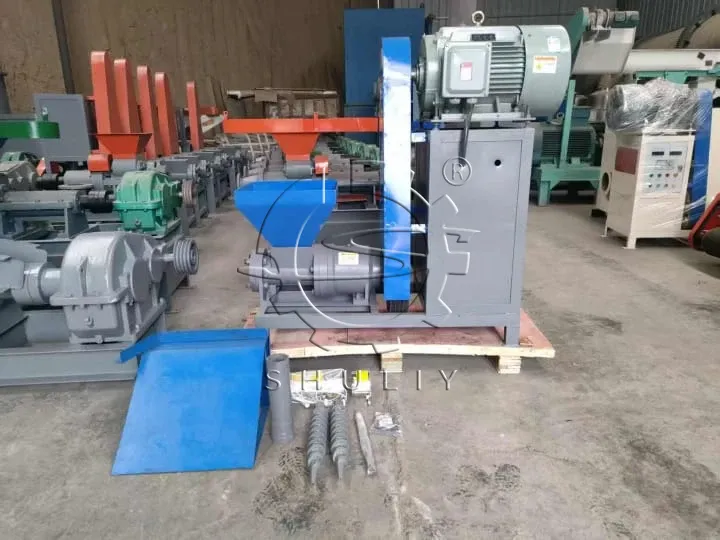
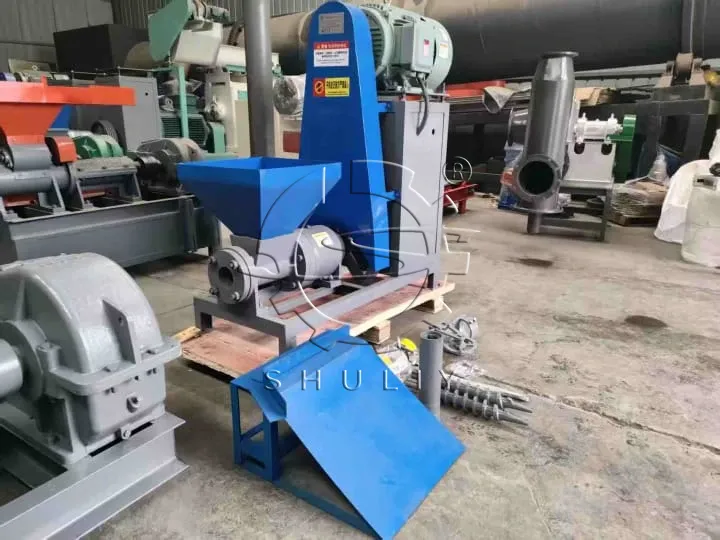
The market price for pini-kay briquette machines ranges from $2,000 to $4,000 USD. Specific pricing depends on various factors, such as the model and production capacity. Please contact us for detailed information and the latest quote.
How do I choose right sawdust briquette machine capacity?
The biomass briquetting machine should be selected according to the available raw material supply and the required daily or hourly output. Customers should also consider their planned working hours and whether they expect to expand production in the future. Choosing a machine only based on the highest possible output is not always necessary if the available raw material supply is limited.
What to confirm before buying biomass briquette machine?
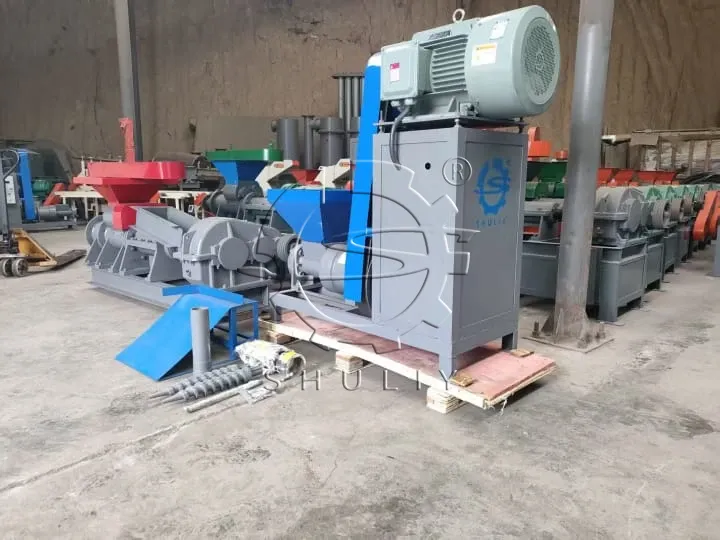
The right pini-kay briquette machine depends on your raw materials and production requirements. Whether you need a single sawdust briquette machine or a complete sawdust briquette production line, you can contact us with your raw material details and required capacity for a suitable equipment solution.